
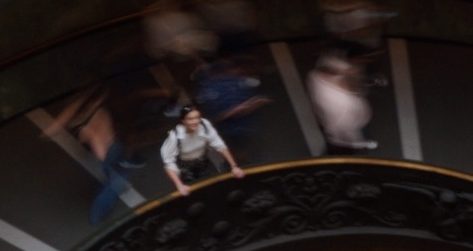
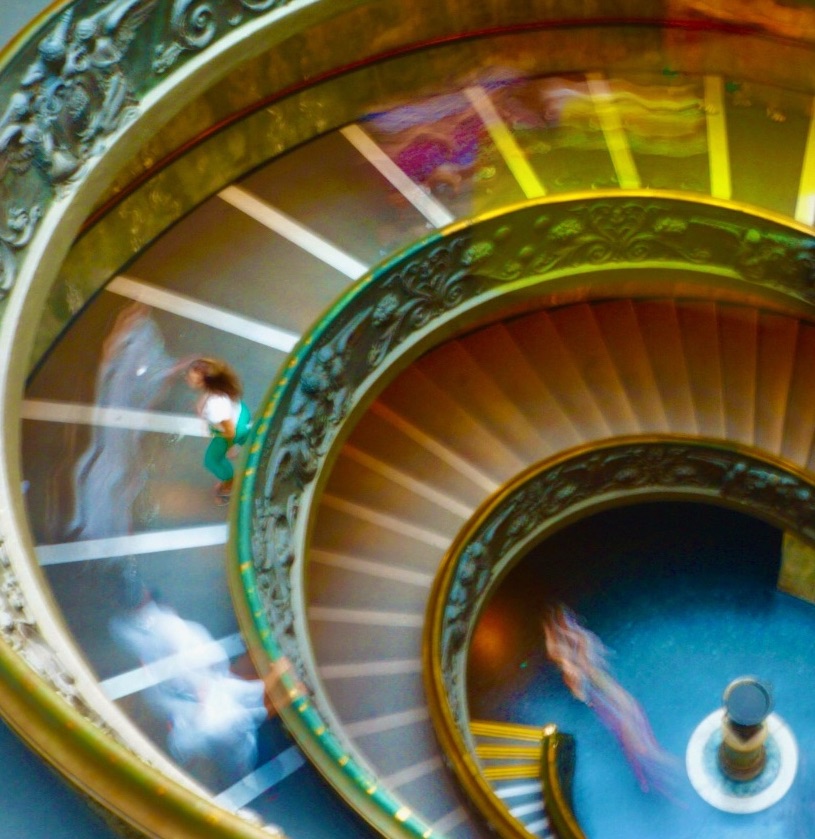
{Gallery exploration}: Photos of the double-helix staircase in Vatican City and an inspired discussion on how a camera can capture our unspoken perceptions and emotions.
Sometimes we are the shadow,
sometimes we are the subject.
Sometimes we are the rushing,
sometimes we are the still.
。𖦹°‧

Sitting in the gift shop of the Pio-Clementino Museum in Vatican City is one of the two marvelous Bramante double-helix staircases. Architect Donato Bramante created the original staircase in 1505 for Pope Julius II. In 1932, Giuseppe Momo created this modern version referred to as the Scala Elicoidale Momo. The original staircase is much more extravagant, and of course, closed to the public. Designed with two heads and two feet, the staircase allows one party to descend the stairs while another ascends; not once will the two parties ever meet.
The staircase reminds me of many moral dilemma. The journeying towards heaven, goodness, and order; or the descent to hell, madness, and chaos. We’re often reaching out to one another while headed in opposing directions. All passing faces in our journeys towards or away from God. And only when we stand still, can we see the illusion; We’re on the same staircase.
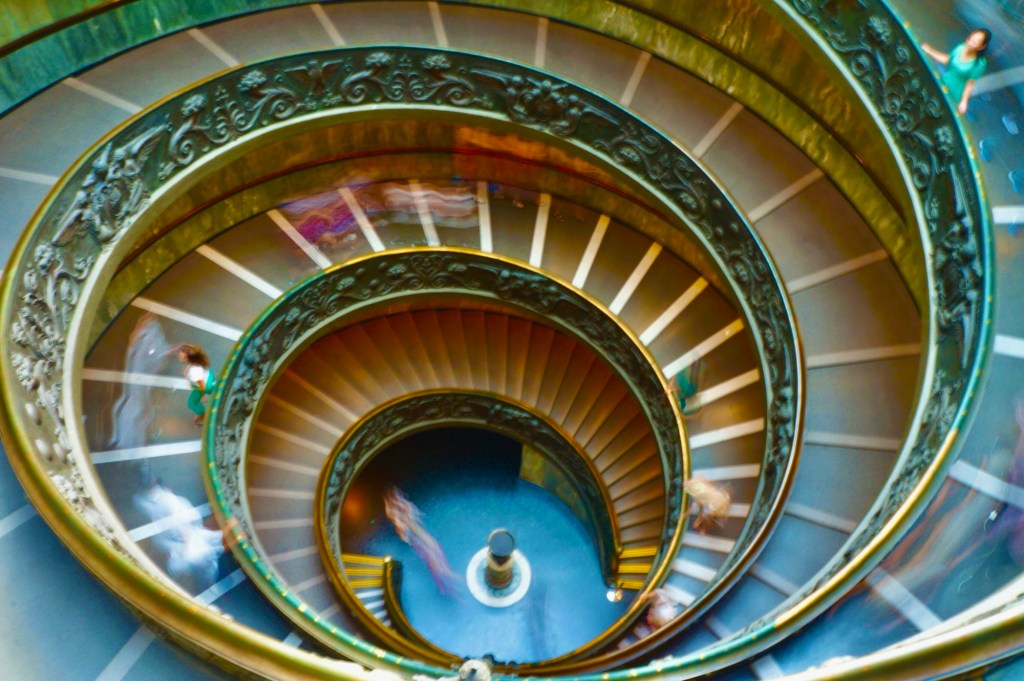
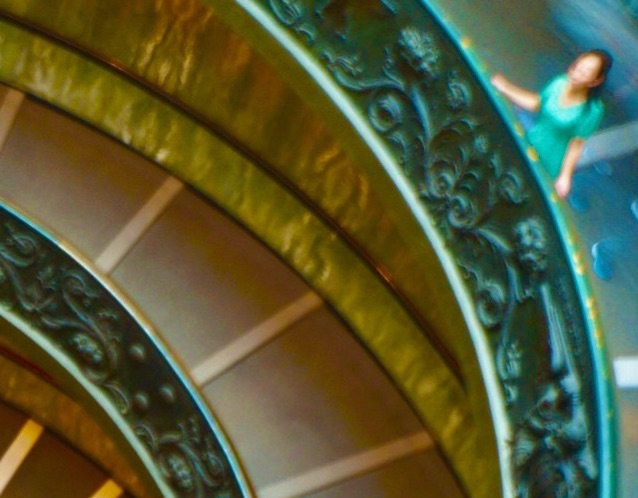
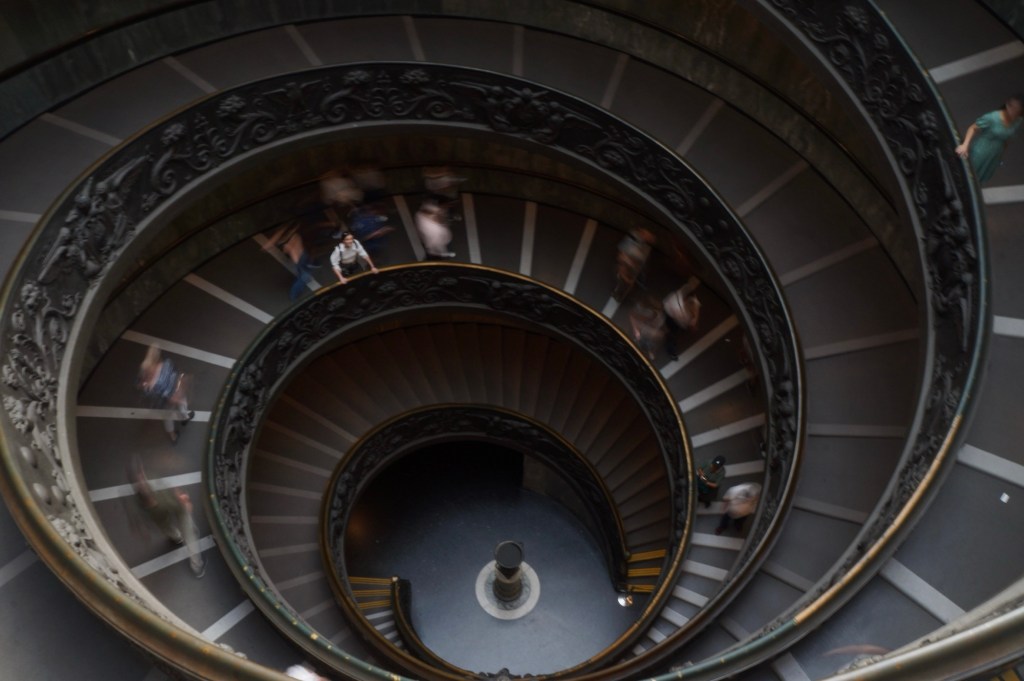
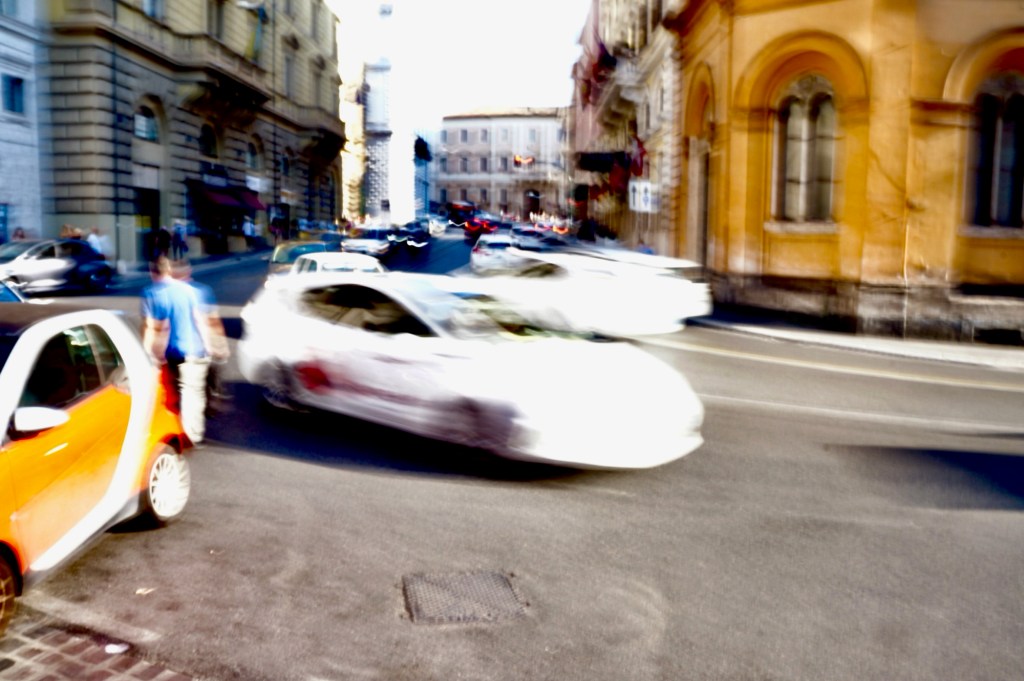
I’ve always loved this style of slow shutter speed photography. The shutter speed is the length of time a lens stays open; shorter/faster speeds allow for still images while longer/slower speeds capture movement. Sometimes life does something to me and it feels as if my shutter speed has been slowed down.
I started having dissociative episodes pretty young. I learned how to leave my body before I learned how to use the toilet properly. Dissociation, in a nutshell, is a trauma response. It most commonly occurs during cases of childbirth, car crashes, and sexual assault. If you’ve never experienced it for yourself, then I’ll describe it to you; it is a strange transformation of the lens you look through, a filter enters over your eyes. The world rushes around you while you’re left suspended in time and observation. Your mind departs from your physical body and a shadow is left standing in your place. Everything you try to look at feels more vibrant, obnoxiously vibrant, sometimes overexposed, or occasionally greyscale, but always blurry and dizzying—even in spite of your own inertia.
Russian photojournalist, Alexey Titarenko is an amazing inspiration for greyscale slow shutter speed photography. His collection City of Shadows (1991-1994) explores the desolate landscape and life during the collapse of the Soviet Union. He describes his subjects (his community) as weary and undernourished shadows. This project was his attempt to capture the suffering and victimhood of a people left to ruin, a people who have become nothing but “shadows”. He discusses the importance of the shutter conveying his emotions and themes,
“…these people were like shadows from the underworld… It was a place where time had come to a standstill. This perception of time stopped convinced me that it could also be stopped by means of a camera shutter.”
Alexsey, too, felt the shutter of his camera convey what the mind sees in times of terror. In respect to Aleksey I provide his stipulation to viewing this series: “As a rule, Shostakovich’s 2nd Cello Concerto and his 13th Symphony accompany the exhibit of this series.”
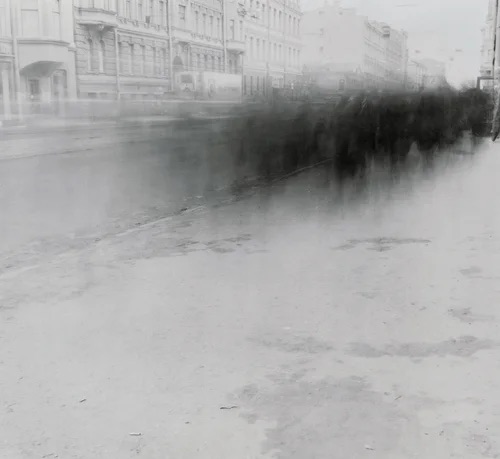
View the whole series here: https://www.alexeytitarenko.com/cityofshadows.
In another collection titled Times Standing Still (1998-2001), Titarenko revisits similar themes of desolation in Russia and its impact on the perception of time.
The financial collapse of August 1998 left Russian citizens, once again, in a state of survival. The survival mind has a self-protective mechanism of hyper-vigilance. The brain disconnects from major stimuli in order to search for acute signals of danger. This sort of survival-hypervigilance-shutdown is the same function that causes states of dissociation.
With certain processing centers shutting down, our minds begin to perceive time differently—slower. Our brains “shutter speed” literally slows. The image, or perception, we’re left with is similar to that of my and Alexey’s dizzying images. And this must be why these images mean so much to me—they speak to an experience that is so universal and yet, only exists in the isolated mind..
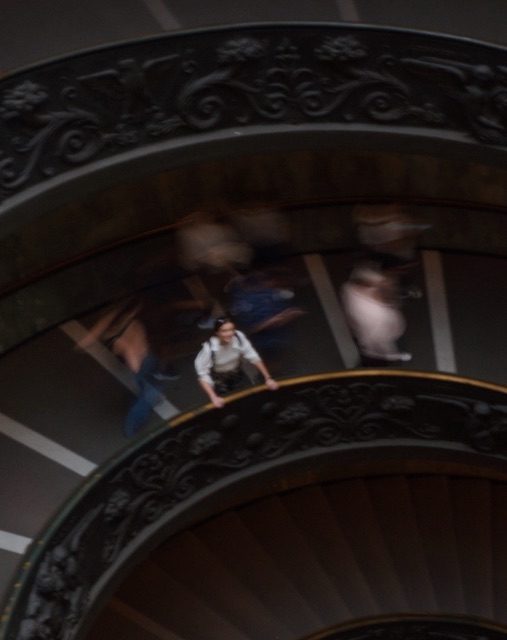
i hope you enjoyed viewing my photography, the work of Alexey Titarenko, and reading about what it all means and inspires within me. Thanks for being.
With love, Chloeandclover ☘︎ ݁˖⋆xoxo
⋆˚࿔ latest posts 𝜗𝜚˚⋆જ⁀➴
- The ‘P’ Word: Redefining and Reclaiming Power
 Reclaiming personal power is not about domination, but cultivating disciplined agency within unjust systems. I offer a three-part framework for developing personal power grounded in responsibility, self-awareness, and embodied practice.
 - {Gallery} Byrd/Bug 2026

- gentle men don’t exist
 The following is a somewhat poetic stream of thought resulting from a conversation I had with a man regarding his former childhood feelings of… Read more: gentle men don’t exist
 - Black Eyes, Open Mouth
 Seeing Black Eyes play live, crowds as shared bodies, deindividuation, and healing the angry teen
 - one beast, many faces
 Who will protect you when the world burns down?When the king wants to lock you up do you hang your head and waltz to… Read more: one beast, many faces
 Chloeandclover